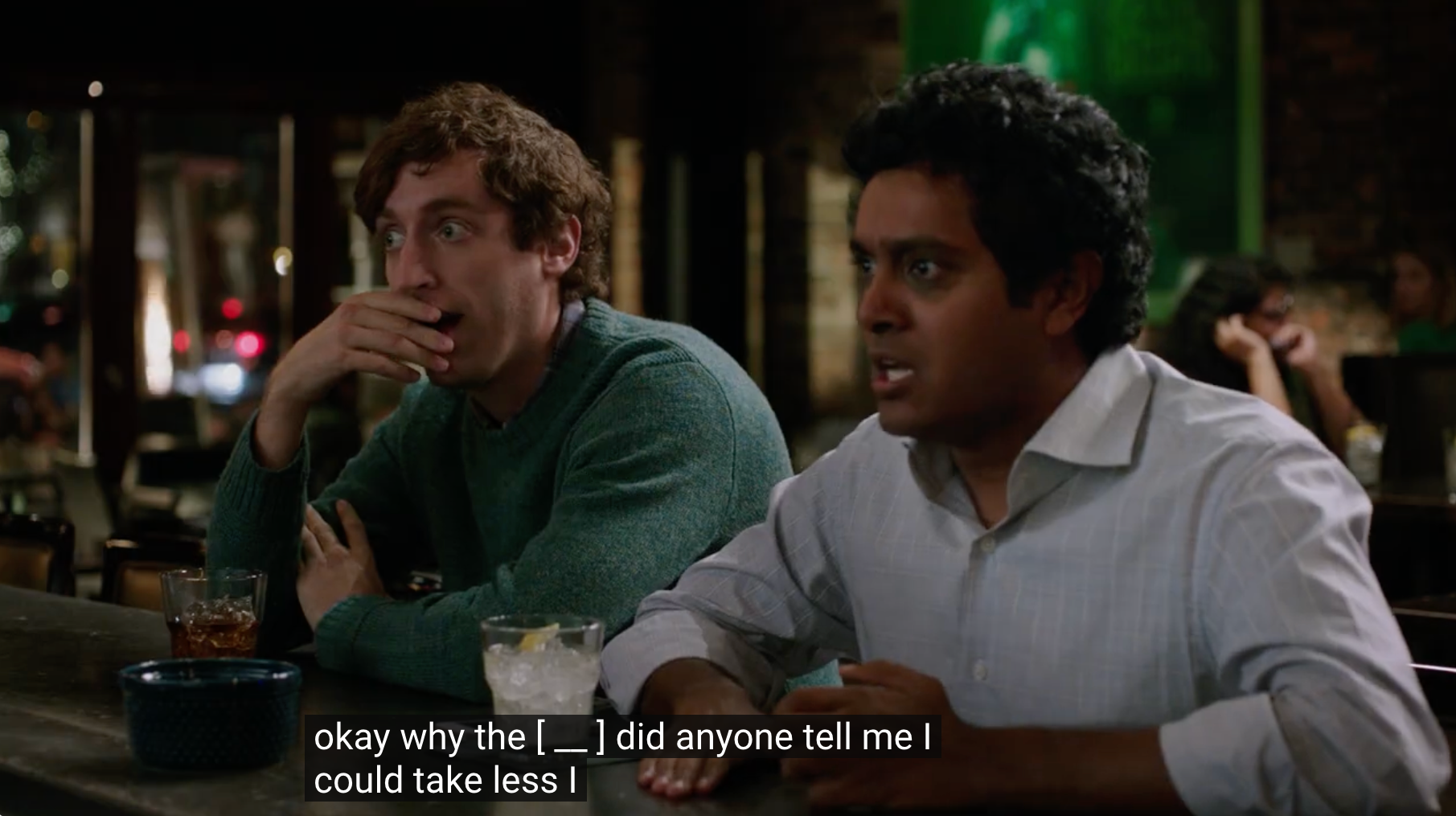
In the fast-paced world of startups, securing a high valuation can seem like the ultimate achievement. However, as “Silicon Valley” Season 2, Episode 1 so aptly illustrates, it’s not always the best strategy for long-term success.
In this episode, Richard Hendricks and the Pied Piper team are faced with a dilemma: they receive an attractive offer with a sky-high valuation. While this seems like a dream come true, it quickly becomes evident that this could lead to inflated expectations and immense pressure to deliver exponential growth right from the start.
Key takeaways
1️⃣ Inflated Expectations:
High valuations often come with high expectations. Investors will expect rapid growth and substantial returns, which can put undue pressure on your team and may lead to risky decisions.
2️⃣ Dilution of Control:
Raising at a high valuation often means giving away more equity. This can dilute the founder’s control over the company and influence key strategic decisions.
3️⃣ Future Funding Challenges:
If you fail to meet the high expectations set by the initial valuation, future funding rounds can become challenging. Down rounds (raising capital at a lower valuation than previous rounds) can be demoralizing and in extreme cases wipe out founder equity.
4️⃣ Focus on Sustainable Growth:
Instead of chasing high valuations, focus on building a sustainable and scalable business model. Demonstrating consistent growth and a clear path to profitability can be more attractive to investors in the long run.
A Balanced Approach
It’s essential to find a balance between raising enough funds to fuel your growth and maintaining realistic valuations that align with your current stage of development. Remember, it’s not just about the valuation—it’s about creating long-term value for your stakeholders.
As we navigate the complexities of startup funding, let’s learn from Richard Hendricks’ experience and strive for sustainable growth and thoughtful decision-making.