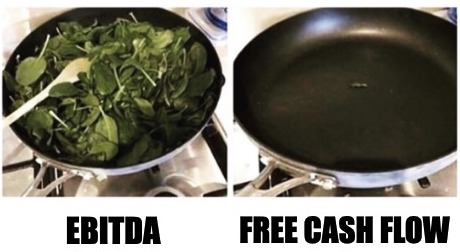
Cash flow is the bloodline of any business, but for early-stage startups with limited access to financing options, it is even more crucial. However, more often than not, the first place the founders look to improve cashflows is payment terms. Yet payment term is only one small piece of the puzzle. In this post we are going to explore other existing drivers that are more impactful to your “bloodline”.

I am going to start by telling you a true story. My childhood friend Mona left her cushy F500 corporate job to start her own company ten years ago. It was the beginning of the (cross-border) eCommerce fever. Coming from a digital marketing background, she established her own online store with confidence. In a few months’ time, she spent all her savings on inventory purchase. And as the inventory was not moving as quickly as expected, her cashflow cycle was broken. In that sink or swim moment, an idea hit her like a lightning bulb. She decided to switch to a consignment business model and remove inventory from the formula. By making this switch, she immediately got rid of inventory management — something she is not familiar with, and was able to focus on marketing and branding, which was her core strength. From that point on, she had a profitable business. Today, her business is doing billions in GMV with 200+ employees. It is also recognised as a true digital marketing leader and a strategic partner by major social media platforms.
Business Model
The key factor that determines the success or failure of your cash flow is the business model you choose. The business model is essentially the blueprint for how your company will make money, and it sets the foundation for all financial decisions moving forward. Everyone know that one of Warren Buffett’s biggest regrets is not investing in an insurance company. Why? Because insurance company collects insurance premium upfront (the “float”); and money has time value.
Pricing Strategy
Aside from the business model, another powerful but less discussed piece of the puzzle is pricing strategy. The truth is oftentimes, businesses leave too much value on the table. While changing payment terms can improve the timing of your cash flow, if each cash inflow is larger in size perhaps you will have more wiggle room when it comes to payment terms negotiation. Often times, early-stage startups afraid to demand a higher price due to lack of necessary pricing expertise and missing out on potential revenue and the opportunity to fully showcase the value of their brands.
Crafting an effective pricing strategy takes careful consideration, research, and a thorough understanding of your target market. But it is so crucial that it is worth the investment.
In conclusion, a healthy cashflow cycle is critical for the sustainability and growth of a business. When considering the drivers of this cycle, the choice of business model and pricing strategy are two powerful ones that are often underplayed. It is also worth mentioning that nothing is set in stone. The business world is fluid so must the organisms living in it. It is essential to continuously evaluate and adjust these choices as the business evolves.